85 Years of Fighting Homelessness Through Faith and Care
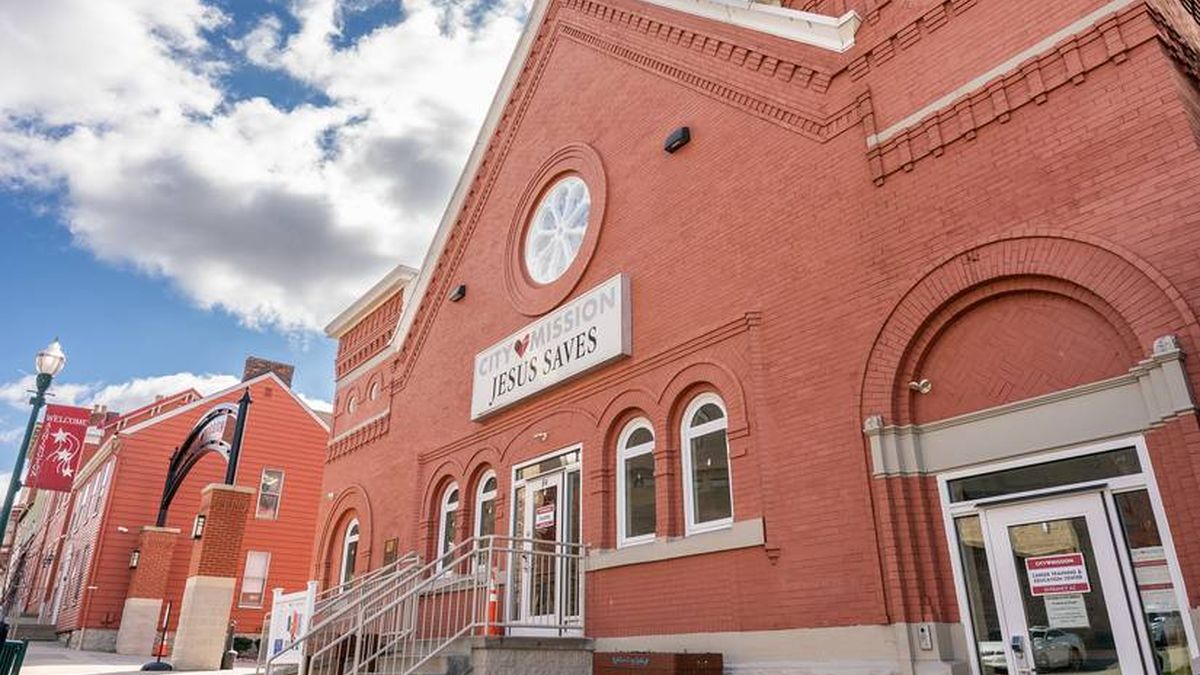
Honoring a Legacy of Faith-Rooted Care and a Future of Hope for Those Facing Homelessness
A Moment That Started It All
Eighty-five years ago, City Mission began not as an organization, but as a response.
At a time when there were few options for those facing homelessness, one man recognized a gap that couldn’t be ignored, a need for a place where people could find not only shelter, but compassion, dignity, and hope. That recognition led to action, and in 1941, City Mission was established in Washington, Pennsylvania.
It didn’t begin with a long-term plan or a large facility. It began with a simple commitment: to meet people where they are and offer care rooted in faith.
Over time, leadership changed, programs expanded, and the needs of the community evolved. But the original purpose, to serve those with nowhere else to turn, has remained constant.
Eighty-five years later, City Mission still stands on that same foundation, responding to need with action, just as it did from the beginning.
More Than Shelter
When most people think of a homeless shelter, they picture something simple, a meal, bed and a place to get through the night.
But the reality is far more complex.
The individuals who come to City Mission aren’t just lacking housing. Many are facing addiction, untreated medical conditions, job loss, broken relationships, or years of instability. A single night of shelter doesn’t resolve those challenges. It is only the beginning.
What City Mission provides today goes far beyond what many people think of when they imagine a homeless shelter. City Mission is a holistic, comprehensive, structured path to a brighter future.
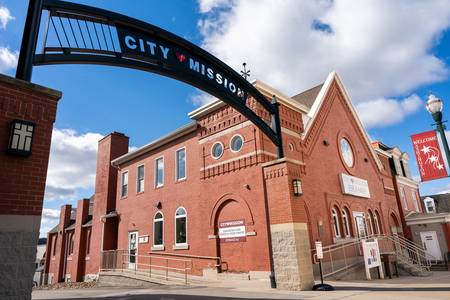
Today, the Mission serves individuals across four distinct areas of need. Some come from the surrounding community trying to make ends meet, receiving groceries, clothing, and support through Samaritan Care.
Others enter long-term recovery and life transformation programs, where they are encouraged to stay for a minimum of 90 days to begin rebuilding their lives.
Some need short-term emergency shelter while they stabilize and determine next steps. And others may never enter the shelter at all, but are served through outreach efforts that bring food, medical care, and support directly to those experiencing chronic homelessness.
Each of these paths reflects a different reality, but all require more than temporary relief. The goal has always been to create a pathway forward—one that leads from instability to lasting change.
Meeting Needs as They Emerge
Over 85 years, one thing has remained constant: the needs of the community are always changing.
What people face today looks very different than it did decades ago. Rather than applying a one-size-fits-all approach, City Mission has continually adapted, expanding its programs in response to needs that became impossible to ignore.
In the 1980s, City Mission first established Avis Arbor, creating a dedicated space for women and children who needed safety, stability, and support. As that need continued to grow, the Mission expanded its approach, developing the Women with Children Center, which introduced apartment-style living and on-site childcare to better support mothers working toward long-term independence.
More recently, that same need has continued to evolve. The opening of Sally’s House in 2022 created space for women in transitional recovery, and in 2025, the addition of Sally’s Sanctuary, a 54-bed women’s shelter, significantly increased the Mission’s capacity to serve women seeking a safe place to begin again.
Veterans presented another clear and urgent need. In response, City Mission opened the Crabtree Kovacicek Veterans House, a dedicated program designed for long-term recovery. Unlike short-term shelter, this environment allows veterans to stay for extended periods—often many months—providing the time, structure, and support needed to rebuild their lives.
Healthcare needs followed a similar path. As more individuals arrived with untreated or chronic conditions, City Mission expanded its services to include on-campus medical care. Today, that care is supported through partnerships with Centerville Clinics and UPMC Washington, ensuring that both residents and individuals in the broader community have access to consistent treatment.
These expansions were not driven by growth goals, they were driven by need.
Each program exists because a gap became visible. A group of people required a different kind of support. And City Mission chose to respond. Because when the need changes, the response must change with it.
What Hasn’t Changed
While the programs have expanded and the needs have evolved, the foundation of City Mission has remained the same.
At its core, this work has never been only about meeting physical needs. The focus has always been on restoring the whole person.
That means addressing the deeper challenges people carry: loss, addiction, isolation, and hopelessness, and walking alongside them as they begin to rebuild. It means creating an environment where people are treated with dignity, where accountability and support exist together, and where change is not only possible, but expected.
It also means remaining grounded in a Christ-centered approach.
From the beginning, City Mission has operated with the belief that lasting transformation requires more than external support, it requires internal change. That belief continues to shape how care is provided, how programs are structured, and how relationships are built with every individual who comes through the doors.
The Impact Today
Each year, thousands of meals are served, offering consistency to individuals who may not know where their next one is coming from.
Nights of shelter provide more than a place to sleep, they offer safety, stability, and the opportunity to pause, regroup, and begin again.
For many, that first step leads to something more. Individuals in recovery programs commit to extended stays—often at least 90 days—giving them the time needed to build new habits, address underlying challenges, and move toward lasting stability.
Medical services address conditions that have often gone untreated for years, supported by on-site care and trusted community partnerships. Career training and job placement programs create a path toward independence, helping individuals rebuild confidence and re-enter the workforce with purpose.
A Community Effort
Support comes in many forms. Volunteers give their time, helping with daily operations and creating moments of connection that remind residents they are not alone.
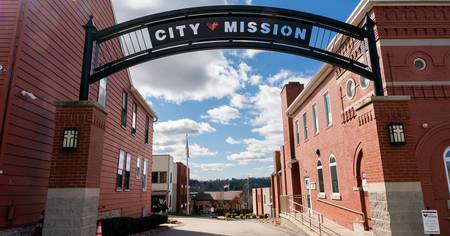
Donors provide the resources needed to sustain meals, shelter, medical care, and long-term programs.
Local partners contribute expertise and services, strengthening the Mission’s ability to meet complex needs with consistency and care.
In many cases, the community plays a direct role in connecting individuals to help. It’s not uncommon for someone in need to hear, “Go to City Mission, they can help you.” That simple direction often becomes the first step toward stability.
That collective involvement is what makes the work sustainable.
Looking Ahead
Reaching 85 years is a milestone, but it is not a finish line.
The challenges surrounding homelessness continue to evolve. More individuals and families are facing financial instability. The need for safe housing, recovery support, medical care, and long-term guidance is not decreasing, it is growing.
Each day, City Mission receives calls from people seeking help. Some can be served immediately. Others, for various reasons, must wait. That reality reflects both the impact of the Mission’s work and the continued demand for it.
In response, the focus remains on moving forward with intention.
That means strengthening existing programs while expanding capacity where it is needed most. It means identifying gaps in care and building solutions to address them. And it means remaining committed to providing not just temporary relief, but a clear path toward stability and independence.
The work is ongoing.
And as long as there are individuals in need of support, safety, and direction, City Mission will continue to respond, just as it has for the past 85 years.
You Can Be Part of What Happens Next
The work of City Mission continues because people choose to be part of it.
Every meal served, every bed provided, every life moving toward stability is made possible through the support of individuals who give their time, resources, and attention to those in need.
Whether through volunteering, sharing awareness, or choosing to give, each action helps sustain the work happening every day.
For those looking to make a direct impact, even a simple decision to donate can help provide the care and support someone needs to take their next step forward.